Allergies and Mold: How DIY Cleanup in Vernon Can Worsen Symptoms
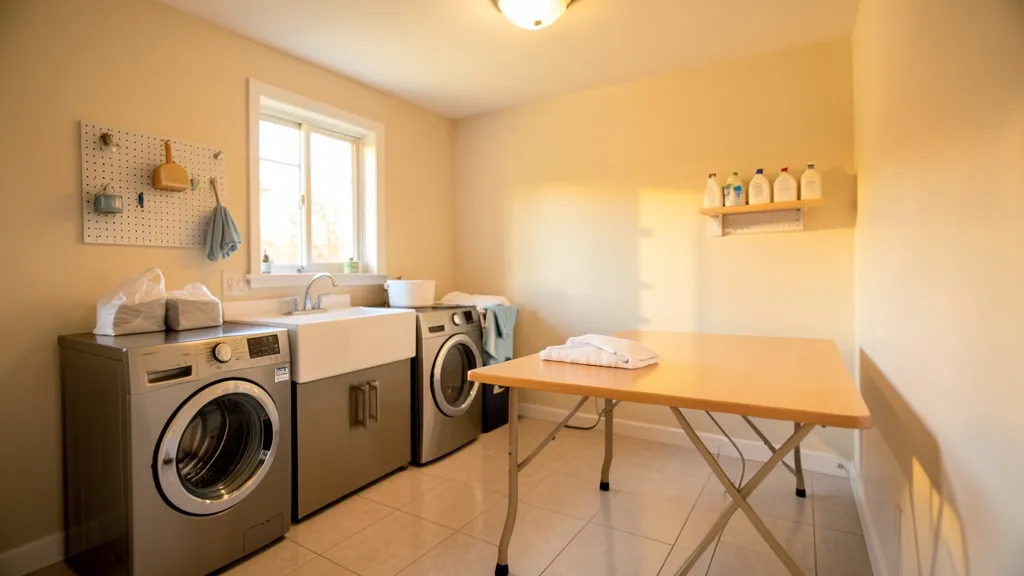
That musty smell in your basement or the dark spots in the corner of your attic aren’t just unsightly—they’re likely mold, and tackling it yourself can make allergies far worse. Without the right containment and equipment, DIY efforts often stir up spores, spreading them through your home’s air and HVAC system.
Why DIY Mold Cleanup Backfires for Allergy Sufferers
Mold releases microscopic spores that become airborne when disturbed. Scrubbing with bleach or a store-bought cleaner doesn’t kill the roots and can aerosolize spores, triggering stronger allergic reactions like sneezing, itchy eyes, or even asthma attacks.
Household fans or open windows during cleanup pull spores deeper into living spaces. In Vernon’s humid summers, these spores find new moist surfaces to colonize—often within 24 to 48 hours.
Without containment, mold spores can spread to unaffected areas via air currents, worsening indoor air quality and allergy symptoms.
Common Allergic Reactions to Mold Exposure
Symptoms range from mild to severe: runny nose, skin rashes, sinus congestion, or wheezing. Those with compromised immune systems or chronic lung conditions may experience more intense reactions, including fever or shortness of breath.
Prolonged exposure can lead to sensitivity pneumonitis, an inflammatory lung condition. Children and the elderly in Manchester or Bolton homes with hidden mold are especially vulnerable.
How Professional Remediation Differs from DIY
We use HEPA air scrubbers and negative air pressure to contain spores during removal. This prevents cross-contamination to clean areas of your home, unlike DIY methods that lack proper filtration.
Our team also identifies moisture sources—leaky pipes, poor attic ventilation, or crawl space humidity—that DIYers often overlook. Fixing these is critical to prevent mold from returning in Tolland or South Windsor homes.
| Factor | DIY Approach | Professional Approach |
|---|---|---|
| Containment | None or minimal (plastic sheeting) | Full containment with negative air pressure |
| Spores Removal | Surface cleaning (ineffective for roots) | HEPA vacuuming + antimicrobial treatment |
| Moisture Source | Often missed | Identified and addressed |
| Safety Gear | Basic gloves/mask | Full PPE (respirators, suits, gloves) |
| Air Filtration | None | HEPA air scrubbers + filtration |
The Hidden Dangers of Bleach and Household Cleaners
Bleach only removes surface mold, not the underlying mycelium. It also releases toxic fumes when mixed with other cleaners, posing respiratory risks—especially in poorly ventilated basements common in Vernon.
Porous materials like drywall or carpeting absorb mold roots. Bleach can’t penetrate these, leaving colonies to regrow. Professionals use antimicrobial solutions designed to kill mold at the source.
Bleach is ineffective on porous surfaces and can worsen indoor air quality. Opt for EPA-approved antimicrobials instead.
When to Call a Professional for Mold in Vernon
If mold covers more than 10 square feet, or if it’s in your HVAC system, crawl space, or attic, professional remediation is essential. These areas often have hidden growth that DIYers can’t safely access.
Recurring mold after cleaning signals an unresolved moisture issue. Our mold inspection and air quality testing pinpoint the root cause, whether it’s a leaky roof in South Windsor or poor drainage in Bolton.
The Role of Moisture Control in Preventing Mold
Mold thrives in humidity above 60%. Vernon’s wet springs and falls create ideal conditions for growth in basements and crawl spaces. Dehumidifiers and proper ventilation are key to keeping levels in check.
Sealing crawl spaces and repairing leaks in attics or around windows stops moisture at the source. Without this, even the cleanest home can develop new mold colonies within weeks.
Mold in HVAC Systems: A Silent Allergy Trigger
Mold in ductwork spreads spores throughout your home every time the system runs. This is a common issue in older Vernon homes or those with poorly maintained HVAC systems.
Professional HVAC mold remediation involves cleaning or replacing contaminated components and installing UV lights or high-efficiency filters to prevent regrowth. This is not a DIY job.
How to Safely Inspect for Mold Before Calling a Pro
If you suspect mold but aren’t sure, follow these steps to assess the situation without disturbing spores.
- 1Look for Visual Signs
Check for dark spots or discoloration on walls, ceilings, or under sinks. Pay special attention to basements, attics, and around windows.
- 2Sniff for Musty Odors
A persistent earthy or musty smell often indicates hidden mold, even if you can’t see it. This is common in crawl spaces or behind drywall.
- 3Check for Moisture
Use a moisture meter or look for water stains, peeling paint, or warped materials. Mold grows where moisture lingers.
- 4Avoid Disturbing Suspected Mold
Do not touch or scrub the area. Disturbing mold can release spores into the air, worsening allergies.
- 5Document the Area
Take photos and notes of the location and extent of the mold to share with a professional during your mold inspection.
- 6Monitor Your Symptoms
Track if allergies improve when you’re away from home. This can help confirm whether mold is the culprit.
Frequently Asked Questions
Can DIY mold cleanup make my allergies worse?
Yes. Disturbing mold without proper containment releases spores into the air, which can trigger or worsen allergic reactions. Professional remediation uses equipment to capture and remove spores safely.
How do I know if my Vernon home has toxic black mold?
Black mold (Stachybotrys) is often dark and slimy but can’t be identified by color alone. Lab testing is the only way to confirm its presence. If you see mold, assume it’s harmful and avoid contact.
Is mold in my basement dangerous if I don’t go down there often?
Yes. Mold spores travel through the air and can affect indoor air quality throughout your home, even if the source is in the basement. This can trigger allergies in any room.
What’s the difference between mold testing and mold inspection?
A mold inspection visually assesses for growth and moisture sources, while mold testing collects samples (air or surface) for lab analysis to identify spore types and concentrations. Both are often needed for a full picture.
Can mold return after professional remediation?
Only if the moisture source isn’t fixed. Professional remediation includes addressing the root cause—like leaks or poor ventilation—to prevent recurrence. Regular moisture control is key.
Do you serve areas near Vernon, like Manchester or Tolland?
Yes, our team provides mold remediation, inspection, and testing services across Vernon and surrounding areas, including Manchester, Bolton, Tolland, and South Windsor.